
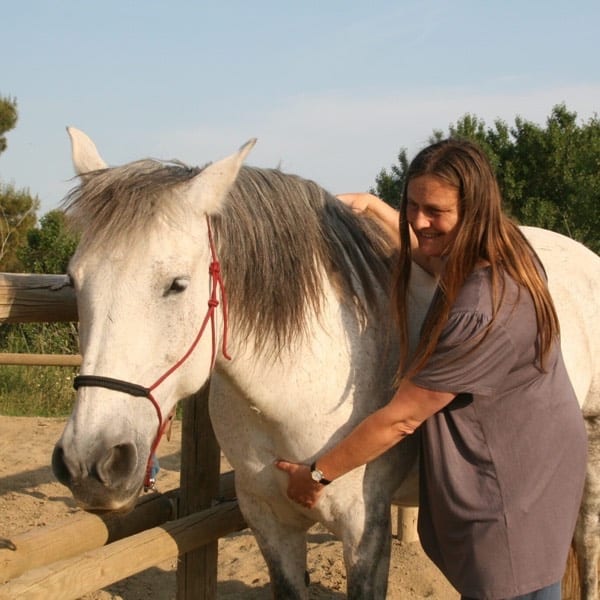
Sílvia Martí Korff, DVM
Veterinarian with postgraduate training in physiotherapy, veterinary chiropractic, Logan Basic Technique and cranio-sacral therapy.
Registration
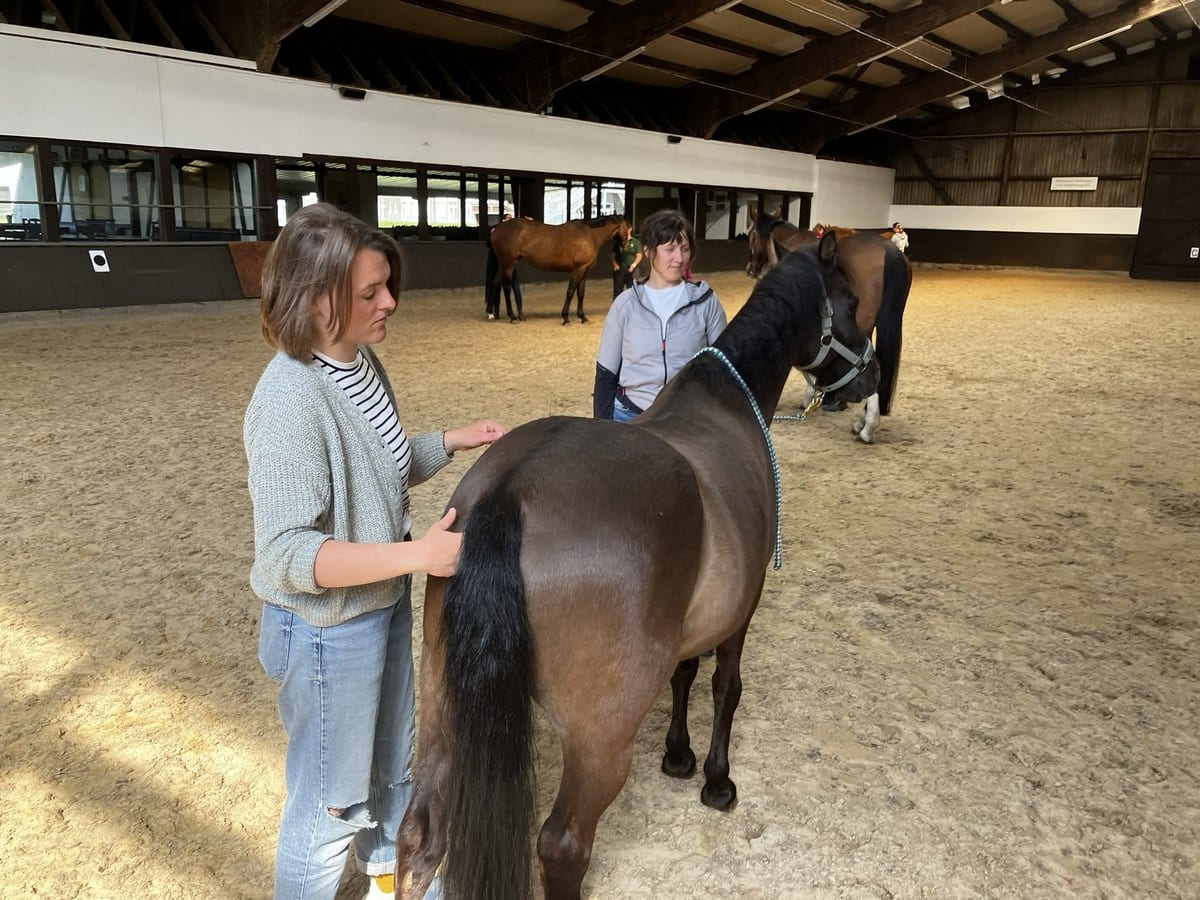
Logan technique is based on the theory that specific soft-tissue techniques, when applied with light pressure, are far more helpful in relaxing the tissues compared to deeper pressures commonly used in other soft tissue therapies, such as massage. To perform the Logan Basic technique, light pressure is applied on the sacro-sciatic ligment.
Seminar focus
Logan is based on the theory that specific soft-tissue therapies, when applied with light pressure, are FAR more helpful in relaxing the tissues compared to deeper pressures commonly used in other soft tissue therapies, such as massage.
To perform the Logan Basic technique, light pressure is applied on specific biomechanical leverage structures, while critical supplementary contacts throughout the body, are also applied. This creates a positive “cascade” of effects which encourage the entire spine to move toward functional balance.
The Logan Basic technique is a well-established, very gentle and extremely effective chiropractic treatment in both humans and animals. It was further developed over decades in animals by the late Dr. Dennis Eschbach, DC and the IAVC. We are proud to continue to offer Logan Basic Technique at the IAVC, as an important part of our CPD courses and as tribute to Dr. Eschbach’s animal chiropractic teaching legacy.
Learn how to treat with Logan Technique and become gentler and more effective animal chiropractor
Veterinarian with postgraduate training in physiotherapy, veterinary chiropractic, Logan Basic Technique and cranio-sacral therapy.
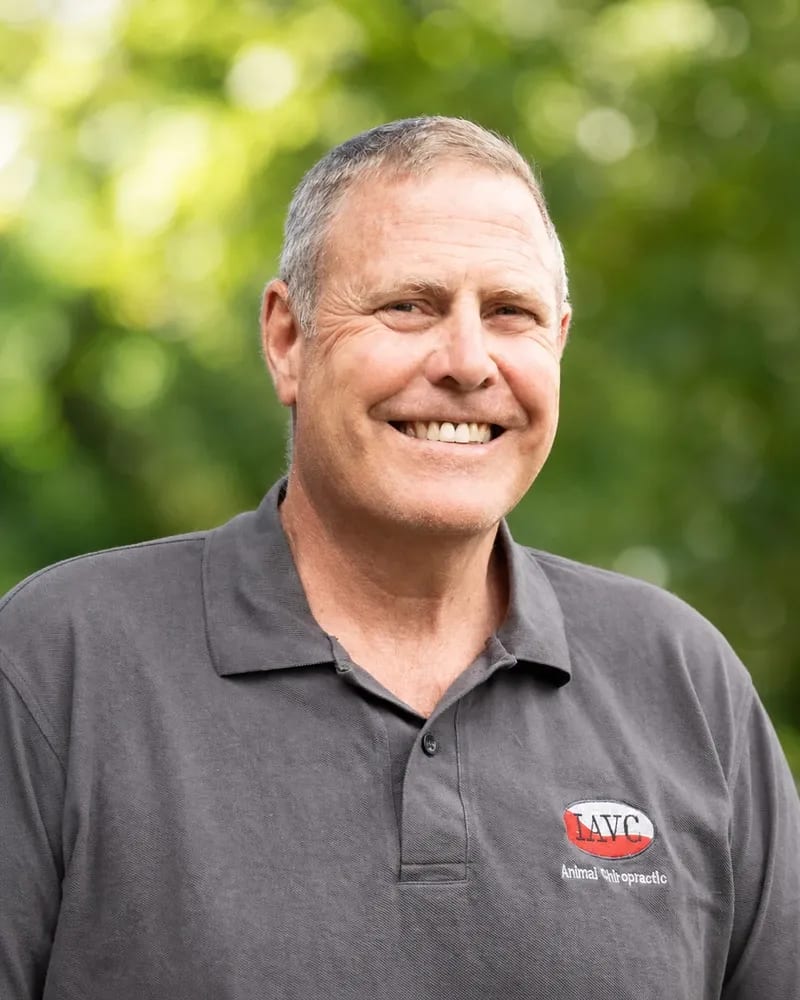
Veterinarian, equine chiropractic specialist, and co-founder of IAVC with more than thirty years in animal chiropractic.
Dr. Donald Moffatt graduated in the first class of the Atlantic Veterinary College at the University of Prince Edward Island in 1990, completed a large-animal internship at the University of Tennessee, and earned a Doctor of Veterinary Science in population medicine and epidemiology from the Ontario Veterinary College, University of Guelph, in 1997. First certified in animal chiropractic in 1996, he moved to Germany in 1997 and co-founded a referral practice for veterinary chiropractic in 1999. He has taught animal chiropractic since 2003 as a founding member of IAVC and the International Veterinary Chiropractic Association, bringing clinical education experience from Tennessee, Guelph, and IAVC.
Selected seminar
Check the date, focus, payment context and next step before sending your request.
Seminar details
Logan technique is based on the theory that specific soft-tissue techniques, when applied with light pressure, are far more helpful in relaxing the tissues compared to deeper pressures commonly used in other soft tissue therapies, such as massage. To perform the Logan Basic technique, light pressure is applied on the sacro-sciatic ligment.
Continuing-education seminar listed by IAVC. Date, location and exact details are confirmed directly by IAVC.
Seminar gallery
Voices from IAVC graduates
I really appreciated the combination of theory and background with practical training. The provided material is excellent. Enough time in small groups with instructors to ask questions, practise and review.
Dr. Daniela Tiedemann
Veterinarian from Hemmoor, Germany
How to register
Your selected seminar context is carried into the next step.
Continue with this selected seminar to the registration form.
The form carries the selected seminar and asks for your contact and professional context.
IAVC checks prior training, professional background and seminar suitability where required.
A place is confirmed after IAVC review and course payment.